Understanding Parvo: AN ESSENTIAL CRISIS-RESPONSE RESOURCE
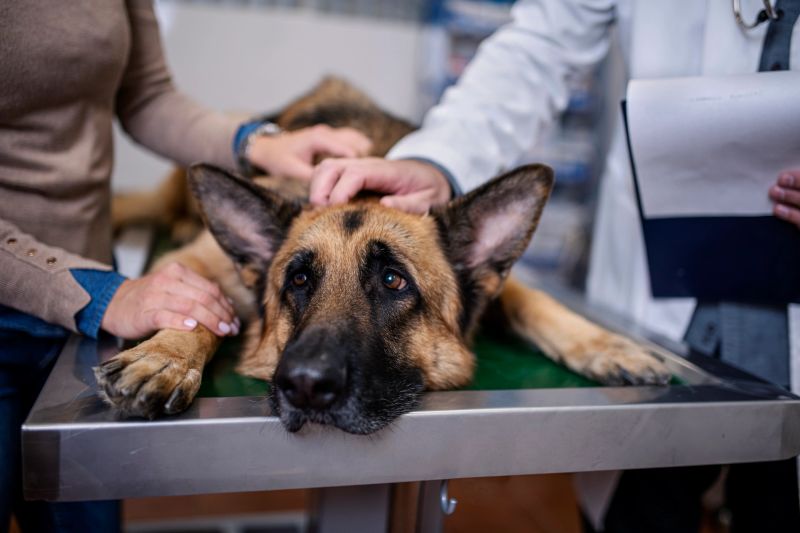
Prevention, treatment and support. Learn to identify the early symptoms of parvo, so you can seek help for your furry friend swiftly.
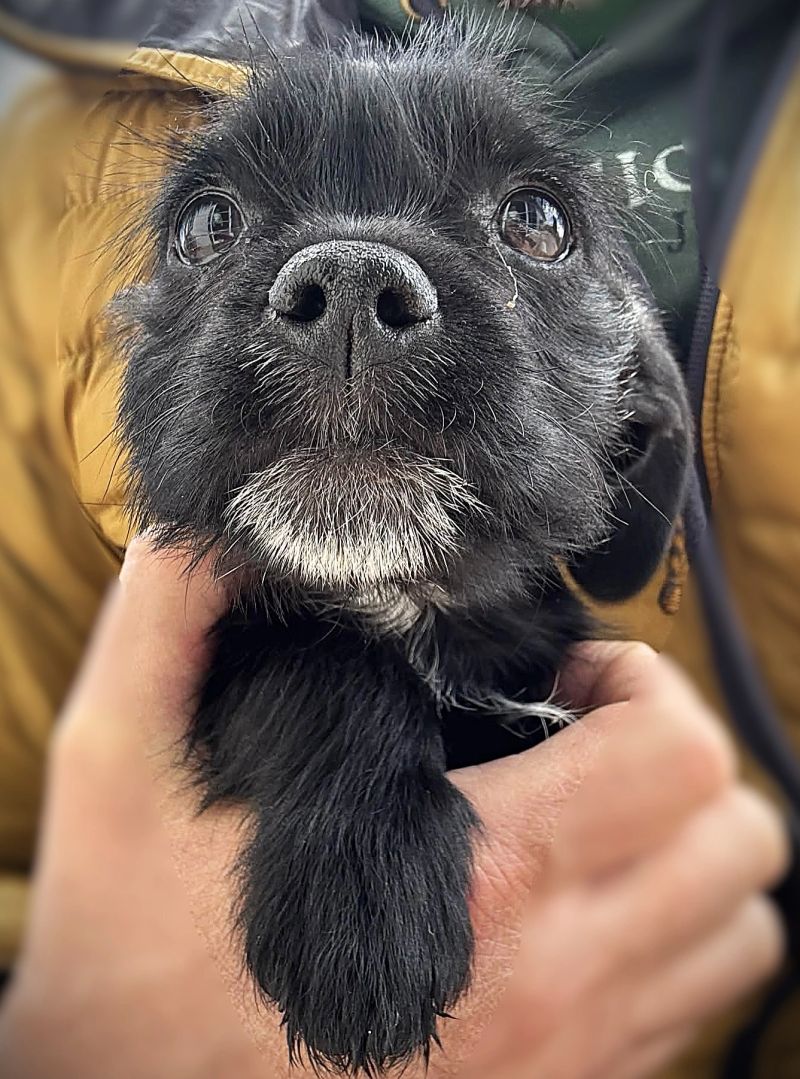
Discover the critical role of vaccinations and their limitations, helping to prevent parvo and protect your community.
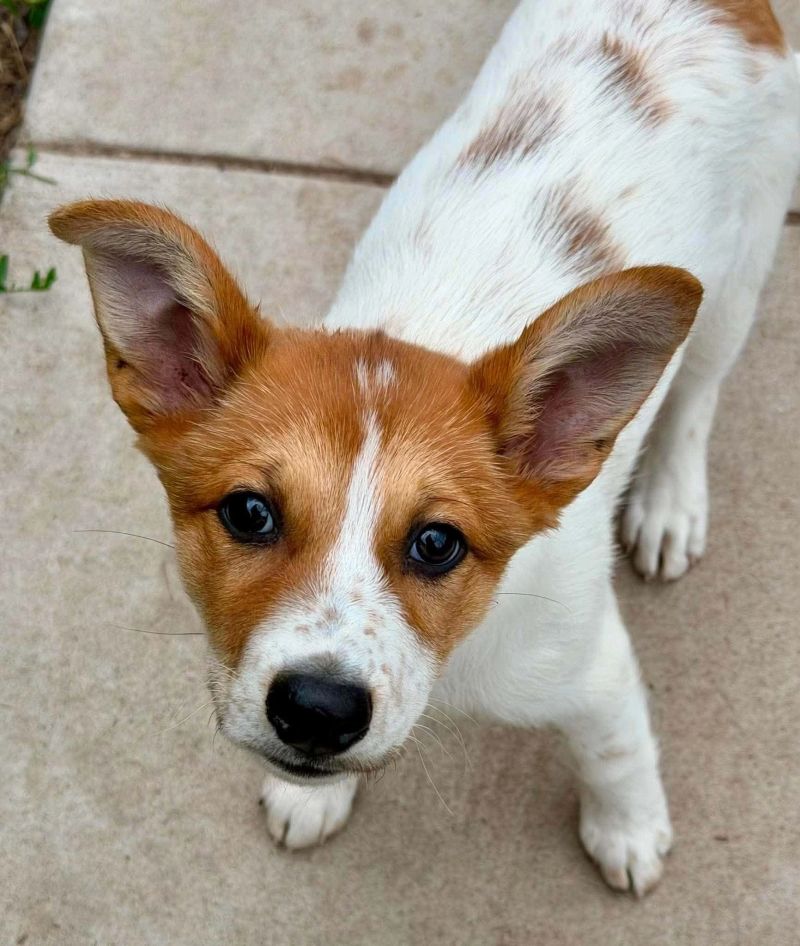
PREVENTION
Adopt effective prevention strategies including spay, isolation, vaccination, education and more.
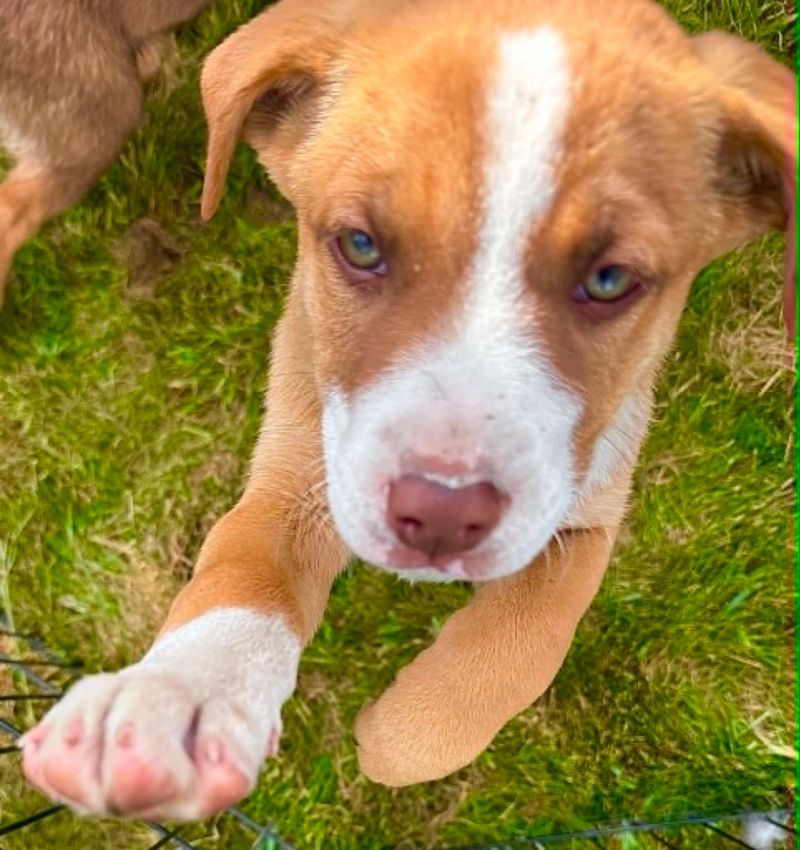
Treatment
Know how to quickly identify early-onset parvo and how to find effective, affordable emergency treatment

Community Health
Help your community stay safe. Care for both people and animals by taking responsible steps to prevent parvo.
Reach Out for Support in Navigating Parvo Challenges
It is our deepest hope that no pet or family faces the challenge of Parvo alone on the Flathead Reservation. Together, we can uncover the resources and support needed for healing.
Frequently Asked Questions About Parvo
What is Parvo and how can it affect my pet?
Parvo, or canine parvovirus, is a highly contagious viral disease that can severely affect dogs, especially young puppies. It primarily attacks the intestinal tract and can lead to symptoms such as severe vomiting, diarrhea, and lethargy, which can be life-threatening without prompt care.
CAN A VACCINATED PUPPY GET PARVO?
YES!!! The DAPP vaccine is immediately deactivated by maternal antibodies in the puppy's blood, so if the puppy still has those antibodies from its mother's milk, any vaccine given before those antibodies disappear DOES NOT WORK! Then, as soon as those antibodies are gone (they wane over time, and it is impossible to know exactly when this will happen), the puppy has ZERO protection until it gets its next DAPP shot. Thus, it is possible for a puppy to get parvo even if it has already received a DAPP vaccine (even more than one).
What are the treatment options for Parvo?
Treatment for Parvo often includes supportive care such as IV fluids to combat dehydration, medications to control vomiting and diarrhea, and antibiotics to prevent secondary infections. The sooner treatment begins, the better the chances for recovery.
Is there a cost associated with Parvo treatment?
In-house veterinary clinic treatment is extraordinarily expensive. ARC Rising provides support and can often save your puppy's life with minimal or no cost, depending on your situation and timing of treatment.
Can my dog be vaccinated against Parvo?
Yes, vaccination can help reduce the risk of parvo infection and is especially important for puppies spending time of the reservation, which is a high-risk parvo zone. DAPP vaccines reduce risk but are NOT a 100% fool-proof guarantee against infection until 5 months of age.
What should I do if I suspect my pet has been exposed to Parvo?
If you suspect exposure, especially in unvaccinated pets, it is crucial to isolate them from other animals and contact ARC Rising or a veterinarian for help. Early intervention can help control potential outbreaks.
Are there resources available for families affected by Parvo?
Yes, ARC Rising provides parvo education, prevention and treatment support for Flathead Reservation residents. We can be best reached at 406-499-5018 or via messenger on our Facebook page.
What can I do to help prevent the spread of Parvo in my community?
Help prevent puppy litters born in high-risk areas (esp. Reservation communities) by spaying all reproductive-age female dogs!!! Vaccinate all puppies early (starting at 4 weeks) and often (every two weeks). Avoid transmission and risk of infection by containing puppies until at least 12 weeks of age (with DAPP vaccination) and limiting their exposure to high-risk environments.
How can I tell if my dog has Parvo?
The earliest warning sign is typically loss of appetite and listlessness. If your puppy exhibits signs like persistent vomiting, diarrhea (often bloody), fatigue, and a lack of appetite, it’s important to seek help immediately.